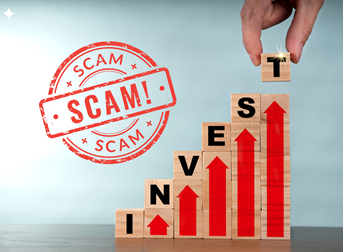
How to verify if an investment is legitimate? An investment opportunity has just been presented to you, whether through a discussion group, social media, or someone you “know.” The rewards are fantastic. There is almost no risk. And they advise you to take immediate action.
What if it’s not what it looks like?
Every day, people fall for fraudulent investments that make grand promises but fall short. Scammers are becoming more adept at taking advantage of our optimism. It’s crucial to confirm whether an investment is genuine or merely a scam before risking your hard-earned money. We’ll go over tried-and-true methods in this tutorial to verify legitimacy and prevent catastrophe. (For additional assistance, be sure to visit our sections on scam reporting and safe investing resources.)
Why Verification Matters
Investing without checking can result in catastrophic losses. Real harm is caused by fraudulent schemes such as Ponzi schemes, phony brokerages, or “too-good-to-be-true” get-rich-quick proposals. Signs like “guaranteed returns” or “unlicensed professionals” are severe danger signals, not simply red flags, according to Investor.gov’s red flag checklist.
Scams are not random; many entice you with fake authority, high-pressure techniques, or emotional manipulation. Fraudsters frequently create a sense of urgency, demand money up front, or promise unrealistic earnings, as the Investment Company Institute (ICI) cautions.
Completing your homework lowers your risk considerably. Verification benefits you:
- Verify the veracity of the individuals and businesses involved.
- Recognize the dangers, business model, and payout mechanism of the investment.
- Steer clear of “clone” businesses that imitate actual businesses.
- Safeguard your financial and personal information.
How to verify if an investment is legitimate
This is a useful checklist that outlines what needs to be done before making any financial commitments.
- Verify the registration and credentials: Check the regulatory status of the business or individual. Verify whether the investment firm or adviser is registered by using regulatory databases (SEC, FINRA, or the equivalent at the national level). Use resources such as this Investopedia guide to confirm the legitimacy of brokers. Local regulators exist in several nations; in South Africa, for example, you can confirm using the FSCA’s registration. If the business provides an address, find out if it actually operates there. Investor.gov cautions against using shell addresses or “virtual offices.”
- Examine Returns and Promises: If you are promised guaranteed or very high profits with minimal risk, you should be extremely wary. All investments are risky, according to FINRA, and no reliable opportunity can promise anything. Compare what you’re being told with what actual investments often look like using Investor.gov’s “Red Flags of Investment Fraud” checklist. Learn how returns are produced. Are the promised payouts supported by a reliable business model? It’s a caution if they are unable to explain in plain language.
- Demand Transparency & Documentation: Request written materials such as financial statements, company plans, offering memorandums, and prospectuses. Scammers frequently don’t provide official documents or merely provide ambiguous ones. Examine any documents you get for errors or poor design; these could indicate a hurried or fake setup. In the state or nation where they claim to operate, look up corporation registration data. A company’s “in good standing” is frequently displayed in public databases.
- Examine the Individuals Making the Offer: Verify the background of advisers or promoters. Look for their names along with terms like “fraud,” “disciplinary actions,” or “complaints.” Verify a person’s registration or license status using regulatory tools. ICI advises utilizing databases such as the SEC’s IAPD or FINRA’s BrokerCheck. Be cautious if qualifications or biographies are too “clean,” ambiguous, or unverifiable. “Suspicious or unverified biographies” are frequently flagged as red flags by Investor.gov.
- Look for Odd or Dangerous Payment Options: It’s a serious warning sign if you’re requested to invest or make a payment using gift cards, cryptocurrency, wire transfers, or other non-traceable means. A genuine investment typically offers appropriate receipts or confirmations and permits normal, regulated payment methods.
- Watch Out for High-Pressure Strategies: Watch out for unwanted offers (calls, WhatsApp, Telegram, social media) that urge you to “act now.” Don’t trust someone if they insist on keeping things private (“don’t tell anyone about this deal”). Really, legitimate companies don’t have to conceal anything. Pose challenging queries. A respectable business or advisor will welcome examination. It’s a serious warning indication if they avoid you or become irritated.
- Start with a Small Amount: It’s a good idea to invest a small amount first (if you can) and then try to withdraw it to test the system, even after your checks. Local advisors advise using this tactic, particularly for internet platforms. Stop and reevaluate if the platform makes withdrawals difficult, introduces unforeseen requirements, or causes undue delays.
- Check the Online Presence and Website: Examine the domain name thoroughly. Scammers may utilize misspellings or domains that resemble legitimate businesses. Utilize tools to determine the website’s age, security (HTTPS), and professional content. Look for unbiased evaluations, grievances, or fraud warnings. Use phrases like “fraud,” “company name + scam,” or “complaints.”
- Speak with Regulators and Third-Party Experts Consult a financial counselor who does not stand to gain from your investment in that particular deal. Their viewpoint can assist you in identifying discrepancies. Speak with or inquire with your nation’s regulatory agencies: They frequently offer investor education materials, registries, or alerts. Use advisory or centralized fraud reporting services (like TrustBull); see how they can assist below.
The Role of TrustBull in Verifying Investments
TrustBull is extremely helpful when you think an offer might be dubious or just need expert assistance to confirm its integrity. Here’s how:
- Expert Evaluation and Advice: Send TrustBull the investment presentation, complete with documentation, links, and names. They can assist you in determining its veracity and whether it raises significant concerns.
- Making Connections with Authorities: TrustBull has worked with financial institutions, consumer advocacy organizations, and regulatory agencies. They assist in directing your concern in the appropriate direction.
- Intelligence of the Community: You add to an expanding intelligence base by reporting possibilities. TrustBull compiles information about dubious offers and disseminates alerts or trends that aid in safeguarding others.
- Strategy for Escalation: Depending on your region and the type of investment, TrustBull can provide guidance on the following steps, including how to escalate your inquiry, where to make complaints, and which legal or regulatory tools to utilize.
- Assistance and Instruction: In addition to particular incidents, TrustBull distributes alerts, tips, and tools like this one to help consumers learn how to recognize fraud. To provide visitors with a clear path, you might link to TrustBull’s Investor Education section or Report a Scam page.
Real-World Examples & Scam Types to Watch For
Here are some typical fraudulent investment kinds, how actual scammers use them, and how to recognize them to put things more practically:
- Ponzi schemes: These use funds from new investors to reimburse previous ones in exchange for steady, large profits. Verifying the investment’s registration and requesting documents is a crucial avoidance strategy, according to Investopedia.
- Advance-Fee Scams: Before you may invest, you are required to pay an upfront “processing fee” or “administrative cost.”
- Romance-Based Investment Fraud (Pig-Butchering): Before promoting fictitious investment offers, con artists establish emotional bonds. According to a new scholarly study, victims are tricked for weeks or months before being requested to transmit substantial amounts of money.
- Clone Firms: To look credible, scammers build websites that mimic legitimate, regulated businesses. This is discouraged by the UK’s FSCS; always double-check a company’s registration with the official regulator rather than using the links they offer.
Common Mistakes That Lead People Into Fake Investments
Here are some common mistakes people make, along with advice on how to avoid them:
- Believing promises: No legitimate investment offers risk-free, enormous returns.
- Rushing in: One of the main strategies used by scammers is high-pressure sales. Reputable offerings don’t compel you to make snap judgments.
- Skimming documents: You risk being caught off guard if you don’t thoroughly read prospectuses, terms, and conditions.
- Ignoring regulator checks: Investing in unregulated, fraudulent operations might result from failing to confirm registration or licensing.
- Using social media or word-of-mouth alone: It can be risky to rely only on hype or social proof (testimonials); always do your own research.
- Not testing withdrawals: Before making significant financial commitments, try making a tiny deposit and withdrawal on a platform you can test.
What to Do If Something Feels Off
Take the following steps if, despite your inspections, something is still off:
- Stop and Reassess: Avoid hurrying. If you’re feeling anxious or under pressure, take a brief break.
- Request References: Ask current investors for references. A legitimate company should put you in touch with persons who can attest to them (while still doing independent verification).
- Consult with Friends or Other Investors: Tell someone you trust about the opportunity. You can see things you missed with new eyes.
- Report any suspicious activity
- Report to fraud hotlines or consumer protection websites.
- Use the link on your Report a Scam page to submit a report to TrustBull.
- Speak with the financial authorities or securities regulator in your area.
- Seek Expert Guidance: Think about consulting or employing a lawyer, due diligence expert, or licensed financial advisor.
- Quit Giving Out Personal Data: Secure your accounts if you have already disclosed sensitive information. Change passwords, turn on two-factor authentication, and keep an eye out for any strange activity.